

By Samuel Nwokolo
With Liverpool hosting Arsenal at Anfield this Sunday, attention turns once again to a fixture that has produced some unforgettable encounters. Twenty-five years on, the 2001 FA Cup final remains among the most memorable, a reminder of how quickly a game between these sides can change.
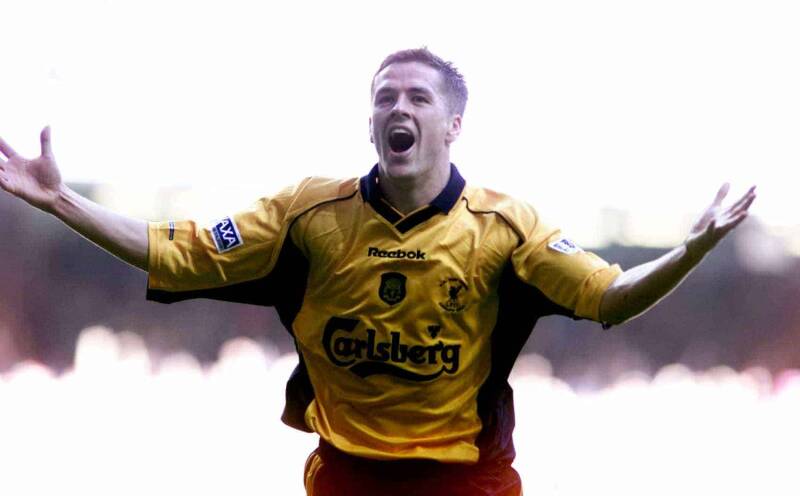
Credits: This is Anfleld
12 May 2001. Cardiff. FA Cup Final.
Some football matches are won over ninety minutes. Others are remembered for a few extraordinary moments when everything changes. For Liverpool, the FA Cup final against Arsenal on 12 May 2001 was one of those afternoons.
The Millennium Stadium was filled with expectation. Liverpool had fought their way to the final, but Arsenal stood between them and the trophy. As the afternoon wore on, Arsenal took control, leaving Liverpool struggling to find an opening.
Then came the goal that seemed to settle everything. Fredrik Ljungberg received the ball inside the Liverpool penalty area and showed remarkable composure, rounding Sander Westerveld before finishing into the net. Arsenal led 1–0, and the FA Cup appeared to be heading towards London.
Liverpool, however, still had time to respond.
The Equaliser
Liverpool pushed forward, desperately searching for an opening. Gary McAllister delivered a dangerous free-kick into the Arsenal penalty area. The ball was contested in the crowded box before eventually falling into the path of Michael Owen.
There was no elaborate piece of skill or thunderous 30-yard strike. Instead, Owen showed the qualities that made him so dangerous: instant reactions and clinical finishing. He reacted to the loose ball and fired it beyond David Seaman to bring Liverpool level.
Suddenly, Liverpool were alive again, and Arsenal’s advantage had disappeared.
Five minutes later came the moment Liverpool supporters would replay for years. Patrik Berger sent the ball forward, and Owen raced after it with space ahead of him. No teammate was waiting for a tap-in, no open goal and no lucky deflection. It was individual brilliance.
Owen used his pace to pull away from the Arsenal defence. With Seaman guarding his goal, he kept his composure and placed his finish beyond the goalkeeper to give Liverpool a 2–1 lead.
The transformation was almost impossible to comprehend. Five minutes earlier, Liverpool had been losing the FA Cup final. Now they were winning it, with Owen scoring both goals in completely different ways.
A Final to Remember
Arsenal had controlled much of the match, but Liverpool had produced the decisive moments. The final whistle confirmed what had seemed impossible only minutes earlier: Liverpool were FA Cup winners, and Michael Owen was their hero.
Cardiff had witnessed one of the most dramatic endings in Liverpool’s history. It had not taken a bicycle kick, a scorpion kick or an outrageous 40-yard rocket. It was something perhaps even more beautiful: a striker doing exactly what great strikers do when everything is on the line.
That afternoon became part of Liverpool’s extraordinary 2000/01 season, as the club completed a historic treble of the League Cup, FA Cup and UEFA Cup. But for supporters, statistics cannot fully explain what Cardiff felt like.
They remember the tension, the disbelief and Owen running away in celebration. They remember how close Arsenal had come to lifting the trophy, and Liverpool taking it away from them in five breathtaking minutes.
Sometimes, football gives you a moment remembered as much for how it felt as for what happened. Twenty-five years later, Liverpool supporters can still look back at Cardiff knowing their team were never out of it.
You’ll Never Walk Alone.
Add comment
Comments